A Convenient Union
In the beginning
My father inherited a bloodline that knew how to subjugate, through men who watched empires crumble and new tyrants rise in their place. To understand his quiet fury, and patience that looked like madness, I had to trace back to the beginning. To relationships that were more necessity than family. To a country on the edge of a freedom that would turn out to be another kind of cage.
India, 1945
The country is headed towards the end of a brutal freedom struggle and the start of another. The uneducated strive with hope, in their innocence, unaware of what is to come. Believing freedom from British rule will deliver them into something better. They had forgotten what corruption looks like when it wears the face of their own countrymen. Only one thought prevails; Freedom.
The struggle is not new. It had been more than four hundred years of foreign rule. And only about ninety years ago did the country take its first real steps towards independence. An atmosphere of fear mixed with hopes of a free world runs through the heart of every Indian. Many have laid down their lives fighting for complete freedom. Men who would come to be known as freedom fighters had been branded terrorists and hanged for their alleged ‘crimes against the crown’; Bhagat Singh was far from what had been propagated. He fought for what he believed in. A man of strong will who spread fear in the eyes of those he opposed. A terrorist for some, a folk hero and freedom fighter for many. The winner would write his story. It is how the world has always worked. After every power struggle.
Religions and achievements have been erased from the books of history. Narratives rewritten. Some we will never know.
The common people only needed a string of hope to hang on to, and they would believe what they were told; innocent souls. They didn’t know what was coming.
They thought the independence of 1947 would bring salvation. They were wrong. What came instead was a different kind of subjugation, corruption, greed, the slow rot of their own, devouring what was left.
Freedom was not earned in any real sense. Despite what the common people believed. The empire had depleted all the resources from the countries they governed.
Like the parasitic nature of the the coloniser, after scavenging the many nations, they had now reached the end of profitable administration. It was time to go. To let the Indians inherit the ruins of what once was, a land run by monarchs. The slaves had been left for the corrupt to devour. A land that had been bled dry and left for the corrupt to finish.
Solapur, 1947
Far away from the independence struggle, in a town called Solapur, the air fills with folk songs. It is a holy union. A forty-year-old man being remarried to a fourteen-year-old girl. She is too young, quick like a fox, cunning and sharp in ways he is not. And his days have driven him into a slow, miserable silence. A continuous suffering.
This is the age of the silent hero. Men like my grandfather, Daud Saheb Sikander Patel.
Grandfather had migrated to Solapur, chased off, evading his brothers who had driven him away from their inherited lands. Brothers fighting brothers was not uncommon in the family. What started as a lineage of land-owners was ending in ruins, each generation tearing at what the previous one had built.
My grandfather and his wife came together out of necessity. There was no emotional love between them, but a marriage of societal obligation. An alliance held firm by society’s etiquettes: of ‘what the world would say if they did not continue’?
Over the years, my grandfather grew resentful, the love for his first wife never fully left him - I presume. But then came the birth of his first child. And something shifted.
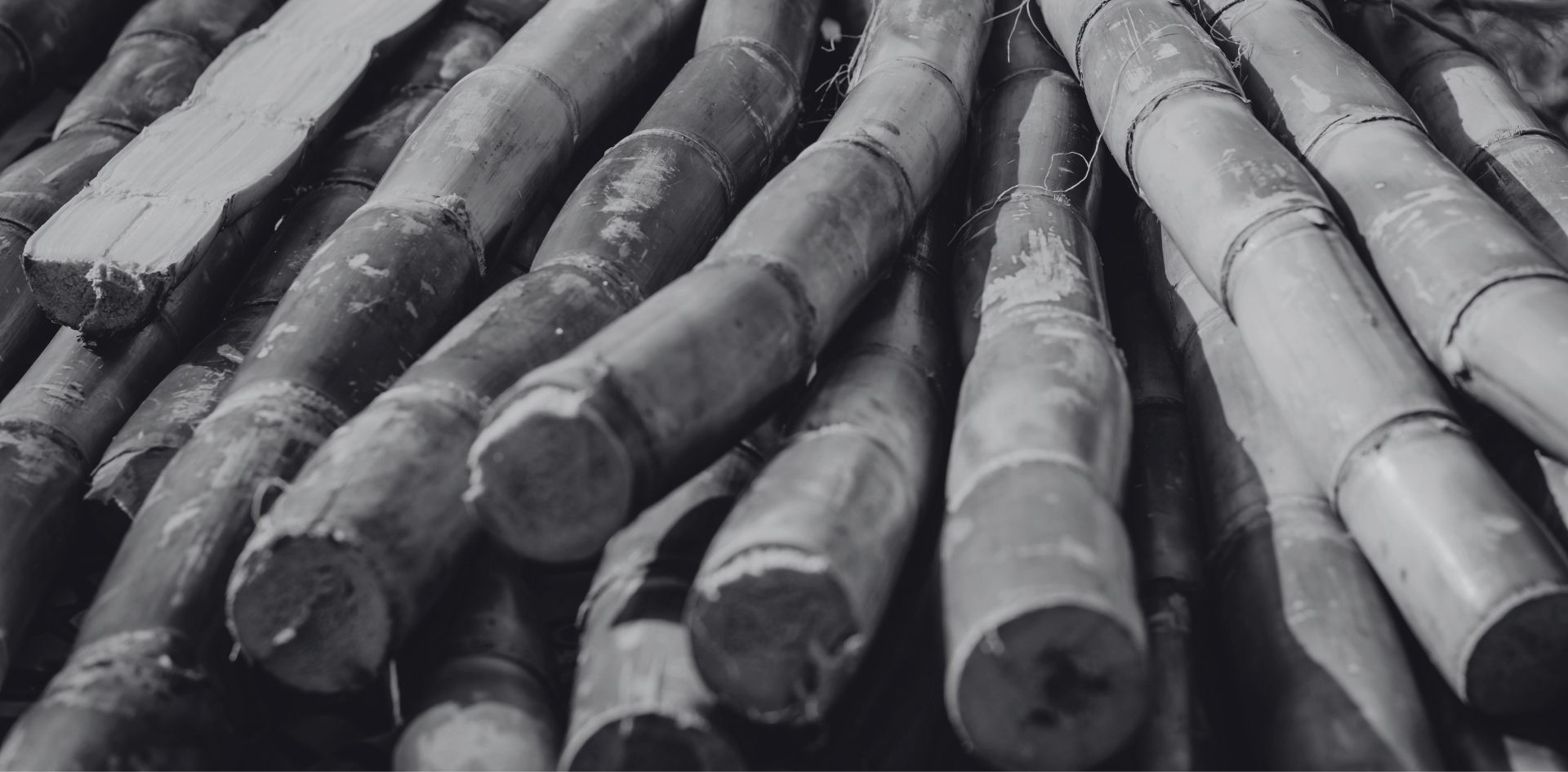
They had six children: three boys and three girls. The women took pride in their toughness. Stories of women delivering babies in sugarcane fields and returning to work the next day as if nothing had happened, were common. My grandmother was one of them. The years had made her tough. She was not one to back down easily, steadfast and ready for a fight. Shrewd. She would not let the world walk over her.
My grandmother spent her days working hard. She would never let an opportunity slip. She didn’t wait for her husband to come around, while he went off to the mills to earn the day’s wages, she would take care of the children, and found ways to get ahead. Knit, barter, negotiate, fight, she was ready for whatever came. Never backing down. Never waiting for her husband’s approval.
They grew distant over the years. Their wavelengths decades apart. A mystic and a capitalist. They could not come to common terms, but they did what they had to. Together for a purpose, despite the hardship, despite the distance, despite the disagreements.
This was the world my father was born into.
Eventually, they lived in separate houses, each consumed by separate interests. Grandfather retired to his chair, staring into the abyss, lost in whatever mystical thoughts occupied him. Grandmother hustled until she could hustle no more, working until her deathbed as if rest was a luxury she could not afford.